

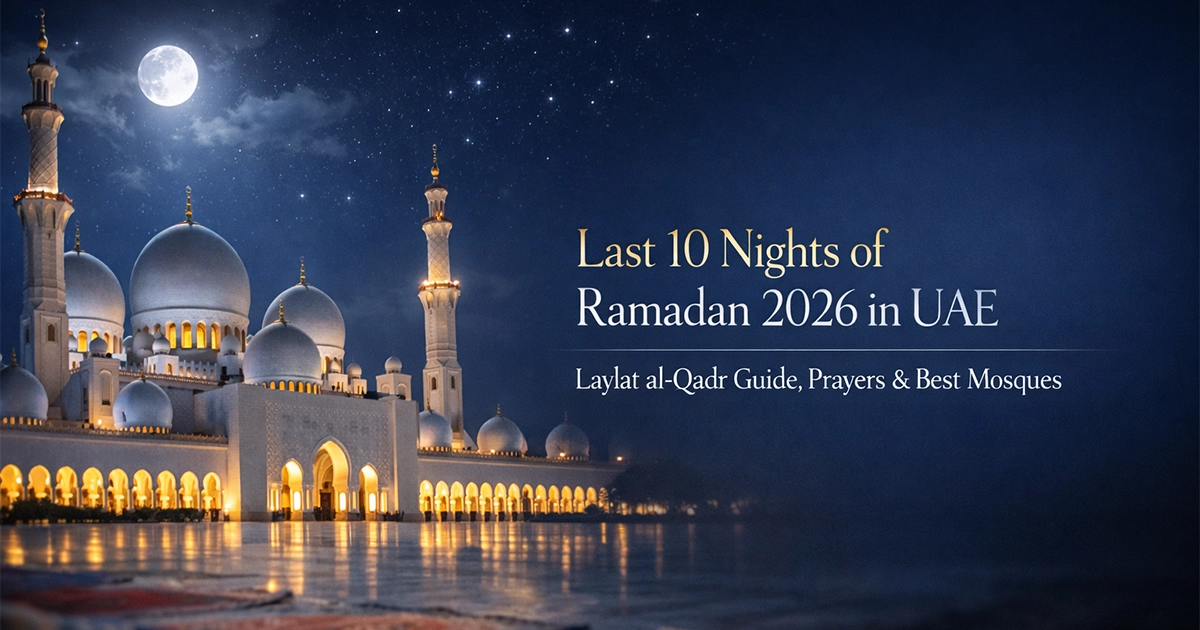
Every year, just as the month of Ramadan comes to its final stretch, Muslims worldwide become more entrenched into a deeper level of devotion. The last ten nights of Ramadan are generally considered to be the holiest and spiritually most powerful nights of the Islamic Calendar. These nights have an enormous significance – not only for the individual worship, but for the collective spiritual life of the Muslim communities everywhere.
Among these ten nights is Laylat al-Qadr (the Night of Power) which is described in the Quran as being better than a thousand months. According to Islamic belief, it was on this night that the first verses of the Quran became revealed to the Prophet Muhammad (peace be upon him). Worshipping on this one night is considered equal to more than 83 years of continuous worship – a gift of extraordinary magnitude.
In the UAE, Ramadan is celebrated differently than any other country. Home to over 200 nationalities, the Emirates is a melting pot of Muslims from South Asia, the Arab world, Africa, Southeast Asia, etc. This diversity means that Ramadan has an atmosphere that is intensely personal as well as exquisitely communal. Mosques are full, neighbourhoods are alive after midnight and families get together at the best suhoor spots in Dubai for suhoor under the stars.
Planning for the last 10 nights of Ramadan 2026 in the UAE is more than logistics. It is about preparing your heart, preparing your schedule and preparing your intentions so that you can make the most of what many consider the most important period of the entire year.
What Are the Last 10 Nights of Ramadan 2026 and Why Do They Matter?
The last ten nights will fall in mid-March 2026. These nights typically begin on the evening of the 20th day of Ramadan and run through to the end of the month.
The Prophet Muhammad (peace be upon him) was known to increase his worship to a huge extent in these nights. He would wake up his family for night prayers, spend less time sleeping and devote himself to supplication, remembrance and reflection. This practice is known as i’tikaf (spiritual retreat in the mosque) and is still widely practiced by Muslims in the UAE today.
The Night Of Power
Laylat al-Qadr or the Night of Power is believed to occur during either odd nights over the last ten – the 21st, 23rd, 25th, 27th or 29th night most commonly. Many Islamic scholars and communities particularly emphasise the 27th night though Islamic tradition encourages seeking it throughout all the odd nights to make sure it is not missed.
The Quran has a whole small chapter devoted to this night – Surah Al-Qadr – it is described as a night when angels descend, peace is spread and God’s mercy is poured upon the earth. For the believer, it is a night to make sincere dua (supplication), seek forgiveness and renew their relationship with their faith.
Key Spiritual Practices During the Last 10 Nights
- Qiyam ul-Lail: Voluntary night prayers that are in addition to the normal Taraweeh.
- Dua and Dhikr: Concentrated supplication and remembrance of God, especially during the last third of the night.
- Reading the Quran: Many strive to finish the Quran during Ramadan, which is increased during the last ten nights.
- Charity (Sadaqah and Zakat): Giving generously whilst knowing that the reward is immensely multiplied
- I’tikaf: Spiritual retreat in mosque, done by those who want to devote these nights entirely for worship
Ramadan 2026 in the UAE: Context and Community Insights
The UAE remains one of the most active countries in the world in Ramadan observance and community programming. On the night of the 27th of Ramadan in the year 2025 alone, Sheikh Zayed Grand Mosque received a record-breaking 105,310 guests – the highest number of guests received in a single night in the mosque’s history. Of these, 77,710 came to make prayers including 61,050 who stayed through the night for Tahajjud prayers. Similar surges are recorded at mosques in every emirate across the UAE on the last ten nights.
Community iftar tents and charitable meal programmes are a defining feature of UAE Ramadan culture and the scale is incredible. For the fasting month of Ramadan 2026, Beit Al Khair Society launched a Dh70 million humanitarian campaign with the aim of 1.6 million free iftar meals at 97 fixed distribution points and 18 Ramadan tents across the UAE. During Ramadan 2025, Sheikh Zayed Grand Mosque Centre alone distributed more than 2.6 million iftar and suhoor meals during the month of Ramadan and Eid. These initiatives are an expression of the UAE’s strong sense of community solidarity during the month of Ramadan.
The UAE’s multicultural Muslim population also adds rich diversity to the observance of Ramadan. South Asian communities in Bur Dubai and Deira celebrate the final nights with enormous congregational prayers and community dinners. Arab communities in Sharjah and Abu Dhabi commonly attend traditional recitation sessions. African and Southeast Asian expat communities have their own unique programmes, and hence, UAE Ramadan is a mosaic of Islamic traditions.
Your Complete Prayer Guide for the Last 10 Nights
Taraweeh Prayers: Timings and Advice
Taraweeh prayers UAE are prayed after the Isha prayer each evening during the month of Ramadan. During the last ten nights these prayers acquire additional meaning and are longer and more emotionally moving, especially in mosques where imams concentrate on finishing the recitation of the Quran. Taraweeh usually starts around 45 minutes to an hour after the Maghrib, and takes between one and two hours depending on the mosque.
Arrive early for Taraweeh on the last ten nights – especially on the 27th night. Mosques such as Sheikh Zayed Grand Mosque in Abu Dhabi are often crowded with people in their prayer halls and outside areas long before the actual prayer starts. It is recommended that a prayer mat is brought along and comfortable, modest clothing is worn as worshippers can end up praying in open courtyards or overflow areas.
Qiyam ul-Lail: Night Prayers After Taraweeh
Qiyam ul-Lail is the voluntary prayers at the late night after the Taraweeh is over. During the final ten nights of Ramadan, most mosques in the UAE organize special Qiyam sessions which start around midnight or 1 AM and extend until Fajr. These sessions are often filled with long recitation from the Quran, collective du’a, and moments of spiritual reflection.
Al Farooq Omar Bin Al Khattab Mosque in Dubai is especially well-known for its Qiyam gatherings, with large numbers of worshippers coming for the expresses purpose of this kind of powerful recitation and community feeling during the final hours before dawn.
The Most Powerful Dua for Laylat al-Qadr
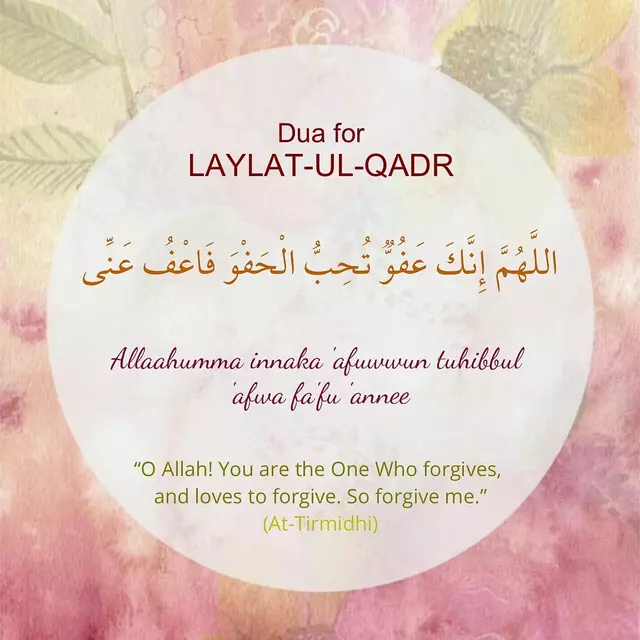
Alongside this, worshippers are encouraged to make personal, heartfelt duas in their own language – asking for health, guidance, forgiveness for loved ones and peace in the world. The final third of the night, just before Fajr is known as the most powerful period of time for supplication.
Best Mosques in UAE for Ramadan 2026
The UAE is home to thousands of mosques, but certain ones stand out for their Ramadan atmosphere, accessibility and quality of spiritual programmes for the last ten nights. Below are some of the best mosques in UAE to spend your last 10 days of Ramadan.
1. Sheikh Zayed Grand Mosque – Abu Dhabi
The Sheikh Zayed Grand Mosque is not only the largest mosque in the UAE – it is one of the spiritually deepest places in the UAE during Ramadan. With a capacity for more than 40,000 worshippers it is a sea of devotion during the last ten nights. In Ramadan 2025, there were almost 1.9 million visitors to the mosque for the entire period of Ramadan and Eid. 27th night of Ramadan alone, the mosque received more than 105,000 people – the highest number of visitors in a single night in the mosque’s history.
Taraweeh prayers are led by internationally renowned reciters and the sound of Quran recitation echoing across the marble courtyard is an experience like no other in the UAE. The mosque also organises educational and Quranic learning programmes during the month of Ramadan. Accessibility is excellent – Free shuttle buses are available from key locations in Abu Dhabi during Ramadan and the mosque’s crowd management team ensures smooth movement even during peak times.
2. Jumeirah Mosque – Dubai
Jumeirah Mosque is one of the most recognizable landmarks in Dubai and one of the few mosques in the UAE that opens up to non-Muslim visitors for cultural education. During Ramadan, it is a key part of Dubai’s spiritual calendar with daily Taraweeh prayers, community iftar sessions at its periphery, and educational sessions for both Muslims and non-Muslims.
The mosque has close connections with the Sheikh Mohammed Centre for Cultural Understanding, which makes it a place where interfaith discussion takes place during Ramadan. Its location in the Jumeirah district makes it easily accessible and the management of the mosque gives guidance on the prayer times and programmes through its official channels.
3. Al Farooq Omar Bin Al Khattab Mosque – Dubai
Inspired by Istanbul’s Blue Mosque, Al Farooq Omar Bin Al Khattab Mosque in Al Safa, Dubai, is one of the most visually stunning spiritual buildings and mosques in the emirate. During the last ten nights of Ramadan, it is especially celebrated for its Qiyam ul-Lail sessions which attract hundreds of worshippers who come to spend the night in prayer.
The mosque is very large and well organised in terms of crowd management and has separate and large prayer rooms for women. Its Ramadan programmes often feature charity iftar programmes for workers and low-income communities in the surrounding area and are a reflection of its commitment to the social spirit of Ramadan.
4. Imam Al Ghazali Mosque – Sharjah
Sharjah, widely known as the cultural capital of the UAE, has some of the most traditional rich ramadan experiences in the country. Imam Al Ghazali Mosque in Sharjah is known to be a scholarly place, with learned imams leading thoughtful and deeply reverent Taraweeh and Qiyam prayers during the last ten nights.
The Sharjah Islamic Affairs Department conducts extensive Ramadan programmes throughout the emirate, which include public lectures, Quran circles and charity drives. For people living in Sharjah or those who are willing to travel from Dubai, the experience of Ramadan in the mosques of Sharjah is a quieter, more reflective option than the busier places in Dubai.
5. Mohammed Bin Rashid Al Maktoum City Mosque – Dubai
Opened recently as part of Dubai’s growing religious infrastructure, this mosque in Mohammed Bin Rashid City is one of the newer grand mosques in Dubai. It has soon gained a reputation for its modern facilities, good sound quality at Taraweeh and well-organised programmes at night during Ramadan. Its position in a mixed residential and commercial zone makes it convenient for a large number of inhabitants of Dubai.
Community & Cultural Ramadan Activities in the UAE
Beyond the mosque, Ramadan in the UAE is a very communal experience. The last ten nights are some of the most giving and heartfelt community initiatives of the year.
Iftar Tents and Group Gatherings
Large iftar tents are organised by government bodies, hotels and community organisations throughout all the major cities. During the last ten nights of the month, many of these tents remain open throughout the night, and transform from iftar to suhoor settings, and spaces for worship, conversation and rest. Areas such as Al Quoz in Dubai, Khalidiyah in Abu Dhabi and Al Majaz Waterfront in Sharjah are popular places where communal Ramadan activities are held.
Charity Initiatives and Ramadan Campaigns
The UAE religious events 2026 calendar during the last ten nights is highly focused on giving. Major organisations such as the Emirates Red Crescent, Zakat Fund UAE and Dubai Cares have high-profile Ramadan giving campaigns that encourage residents to give to local and international causes. The government of the UAE also helps in the collection of Zakat al-Fitr through official channels to ensure that obligatory charity reaches the ones who need it the most before Eid.
Family and Youth Engagement
Many mosques and community centres in the UAE have special Ramadan community programs UAE for children and youth on the last ten nights – including storytelling, Quran memorisation competitions and family-friendly night prayer sessions. Organisations such as the GAIAE and local Islamic cultural centres have programmes that are specifically for young Muslims to engage with them and help them see the importance of these nights in a relatable manner.
How to Prepare Spiritually and Practically for the Last 10 Nights
Adjust Your Daily Routine
The last ten nights tend to require a drastic change in your daily schedule. Many UAE residents who are working during this period prefer to sleep after Fajr and wake up later in the morning reserving their energy for the night hours. If your employer permits flexible working hours during Ramadan – which is required by law in the UAE – take advantage of this and make your day around worship.
Suhoor: More Than Just a Meal
Suhoor – the pre-dawn meal before Fajr – is not only a practical necessity. It is a blessed act in itself. In the quiet time before the fast starts for the day, make a special time to make dua, read Quran and set your intentions for the day and night ahead. Keep Suhoor light and hydrating for keeping up the energy throughout the long hours of the fast.
Acts of Charity and Kindness
Even small acts of generosity are of tremendous spiritual weight during the last ten nights. Giving food to a neighbour, paying the debt of someone, volunteering at a community iftar – these are all ways of multiplying your reward. Set aside some of what you are able to afford specifically for charity on the last ten nights, and make the intention that it is given with the hope of catching Laylat al-Qadr.
Health and Wellbeing
Late night worship can be physically challenging, especially if you work. Do not forget to drink water between iftar and suhoor. Avoid heavy or too rich foods at iftar that can make one tired. Short naps in the afternoon – between Dhuhr and Asr – are a Prophetic tradition that can go a long way in helping you to achieve night worship without compromising your health.
Conclusion: Make Every Night Count
The last ten nights of Ramadan are not just the end of a month-long fast – they are the spiritual high point of the whole year. For Muslims in the UAE and worldwide, it is the season to step out of daily life, increase one’s connection to God and avail the most from a window of mercy that comes only once a year.
The beauty about Ramadan in the UAE is that you are never alone in this journey. Whether you are praying in the magnificent courts of Sheikh Zayed Grand Mosque, standing in the long lines of Al Farooq Mosque, or in a quiet gathering of the community in Sharjah, you are surrounded by fellow seekers – millions of people all reaching for the same night, the same moment of divine connection.
This Laylat al-Qadr guide is designed to help you plan, prepare and participate in these sacred nights with intention and awareness. Know the programme of your local mosque. Adjust your sleep schedule. Prepare your duas. Give generously. And on those odd nights – especially on the 27th – pour your heart out in prayer, knowing that one sincere night of worship might change the course of your life.
