

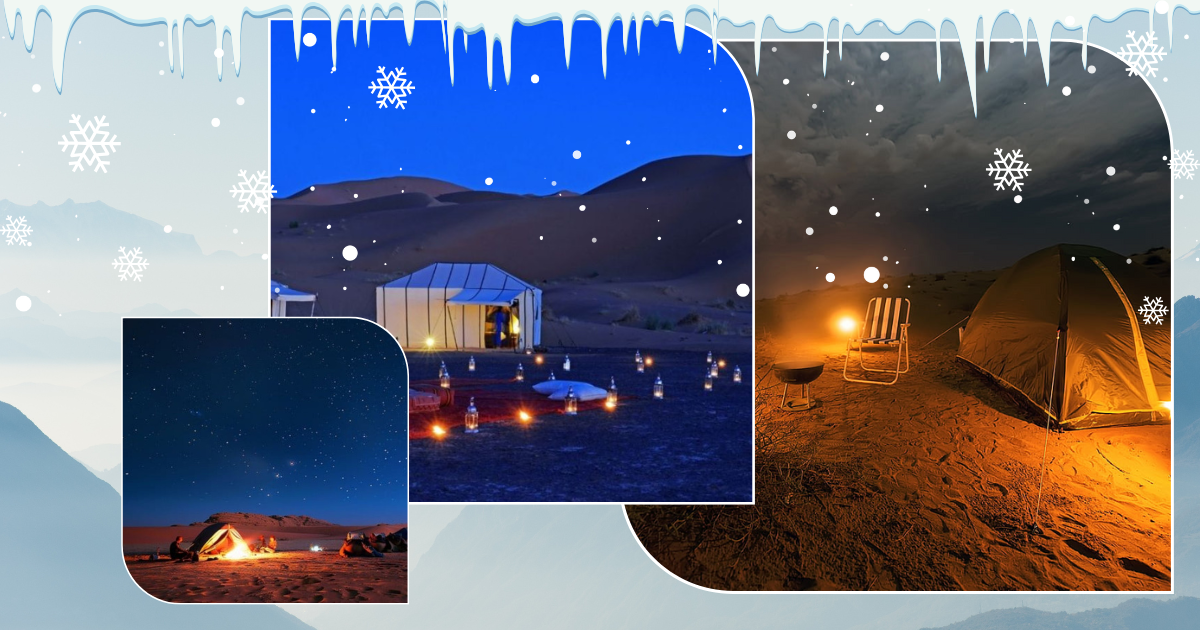
When the cooler months arrive in the UAE, deserts become a favourite escape for locals and visitors alike. But before you pitch your tent beneath the stars, know this: you’ll need the proper UAE winter camping permit (and in Dubai that means the Dubai camping permit) to do so legally and responsibly. This article covers everything you need from rules and costs to how to apply step-by-step.
Why You Need Dubai Camping Permit
In the United Arab Emirates, winter camping is now regulated and no longer merely a pleasant activity. The cooler months of November through April attract more campers, and in order to protect the environment, public safety, and popular camping locations, authorities have introduced specific rules.
The Dubai camping permit provides access to authorised plots (such as at Al Aweer Desert) to ensure that you are camping legally and safely.
You must put in your papers before you go if you have planned a desert night between November 1 and April.
What Are the Rules for UAE Winter Camping Permit?
If you want to obtain a winter camping permit in the United Arab Emirates, you must follow key regulations which are mentioned below:
November 1 to the end of April is when people with permits in Dubai can camp.
Usually issued for family use, permits do not allow you to run commercial camps or rent the property to unrelated groups.
You are only permitted to camp in areas that have been approved by the municipality, such as Al Aweer. Continuing within regions that are not authorised may result in a penalty.
A camping plot’s size is limited; for example, some permits in Dubai only allowed plots up to 400 square metres.
Desert environment protection is compulsory by not littering, burning rubbish, or unsettling wildlife. According to municipal and federal regulations, violations might result in harsh fines.
Securing Civil defense approval for the camp layout, safe fire settings and utility access are all part of the process. Illegal constructions or open flames may violate regulations.
The procedure includes obtaining civil defence permission for the camp layout, safe fire settings, and access to utilities. Regulations may be broken by open fires or unapproved buildings.
Also Read: 15 Best picnic spots in Dubai for family
How Much Does It Cost?
Cost should be taken seriously throughout the planning procedure similarly like other official activities.
This is what to include:
One official guideline is that the permit charge in Dubai is 44 files per square metre per week.
When you apply, you will usually also be required to submit a refundable security deposit. This includes any extra cleaning, damage, and infractions of the camp’s regulations. According to a news report, for instance, a refundable deposit may be between AED 2,000 and AED 5,000.
Plan ahead and include expenses for equipment, transportation, on-site utilities, and the permit fee.
How to Submit a Permit Application
Thanks to the internet, securing a UAE winter camping permission, specifically a Dubai camping permit in the Emirate of Dubai is now easier than ever. Here’s a common procedure:
Prepare your documents:
- Passport copy or Emirates ID of applicant.
- Family Book (for UAE nationals) or documentation proving family grouping.
- Bank account details for refund of security deposit.
- Other site-specific information depending on location (e.g., tenancy contract, civil defence clearance).
- Dubai Department of Economy & Tourism.
- Choose your plot at the designated area (e.g., Al Aweer). Valid periods are typically 3-6 months within the winter season.
- To get access, you must authenticate with UAE Pass, you can submit via the “Dubai Now” app or via the municipality’s portal (e.g., wintercamp.dm.gov.ae).
- You must pay the permit fee and submit the refundable deposit as required once the access pass approved. Track your application status and receive your digital permit.
- If you need extensions, changes or refunds on your deposit, the digital system allows these requests.
Tips for a Smooth Camping Experience
Book Early. Winter campsites fill quickly once applications open.
Respect the environment. Pack out all your waste, stay within your assigned boundaries, and use eco-friendly gear.
Check the weather. Though winters are mild, desert nights get chilly, and occasional rain or flash floods are not unheard of, so location matters.
Stick to rules for fire & safety. Use safe campfires or gas stoves and keep flames away from tents and brush.
Stay legal. Avoid camping in undesignated plots to evade heavy fines or permit voiding.
Prepare for the night. Pack warm clothing, and ensure you have lighting and emergency supplies, the desert is unforgiving at night if you’re unprepared.
